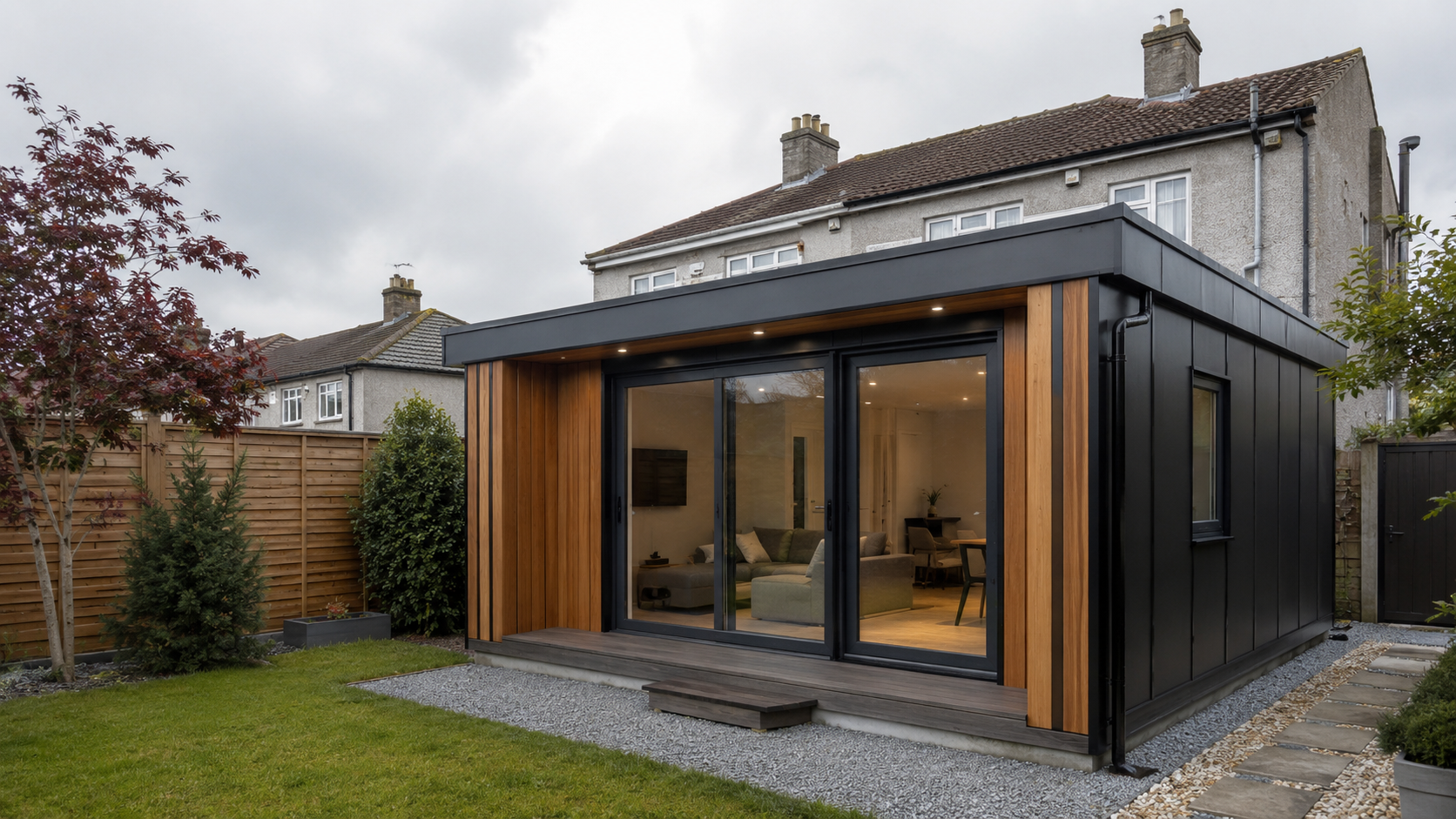
Modular home planning permission in Ireland is the first question to answer before you compare suppliers, floor plans, or finance.
The short version: a modular home is not automatically planning exempt because it is modular. Planning depends on size, use, location, garden space, services, and the final rules in force when you build. If lender funding is part of the plan, also read modular home mortgage Ireland, because planning evidence is one of the first finance checks.
If you are still at the pricing stage, read the modular homes prices Ireland guide. If you are focused on the new small-garden-home rules, start with the 45sqm planning exemption guide and the modular homes Ireland legislation changes tracker, then use this article as the broader planning checklist.
What changed in 2026?
The Government announced proposed changes to planning exemption regulations on 21 April 2026. The part that matters for garden modular homes is the proposed exemption for an auxiliary habitable dwelling between 32sqm and 45sqm, linked to the services of the principal house.
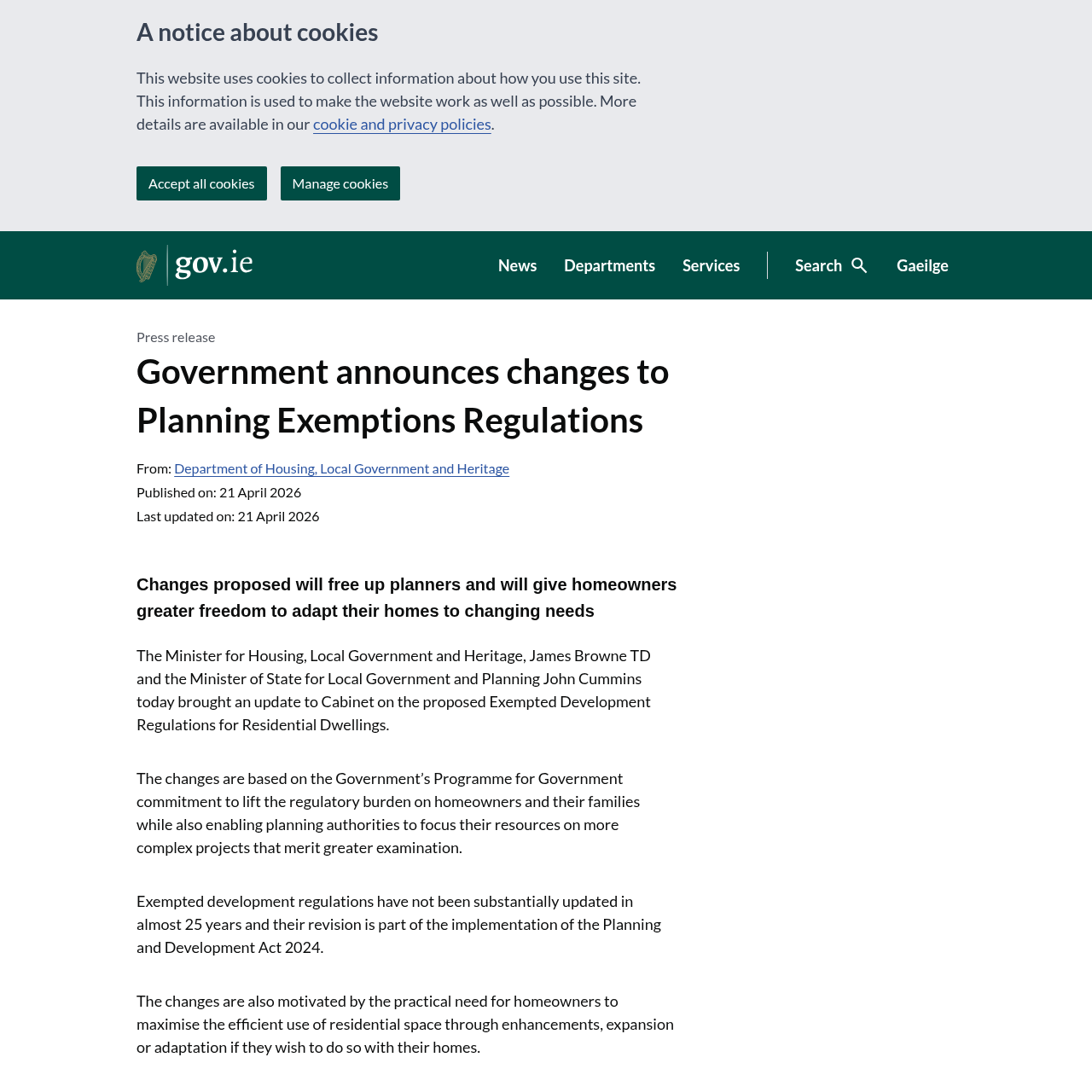
That is a real opening, but it is not a blank cheque. The announcement also points to limitations and confirms that building regulations, building control, and fire safety still matter.
For a homeowner, that means the practical question is not "can modular homes avoid planning?" It is "does my exact proposal fit the exemption conditions, or do I need permission?"
The planning tests that usually matter
Before speaking to suppliers, write down the facts a planner would ask for:
| Question | Why it matters |
|---|---|
| What size is the unit? | The proposed auxiliary dwelling exemption focuses on 32sqm to 45sqm. |
| What is the use? | Family accommodation, rental, office, care, and storage are different cases. |
| Is it detached? | Detached units get more scrutiny than internal conversions or extensions. |
| How is it serviced? | Water, wastewater, electricity, heating, and access can affect compliance. |
| How much garden remains? | Private open space and neighbour impact still matter. |
| Is the house constrained? | Protected structures, estates, flood risk, rights of way, and rural zoning can change the answer. |
If any of those answers are uncertain, do not rely on a brochure line saying "planning exempt".
Family use, rental use, and tax claims
A family-use modular home may be easier to explain than a standalone rental unit, but the unit still needs the correct planning route. For parent or adult-child accommodation, the family granny-flat guide is the better next read.
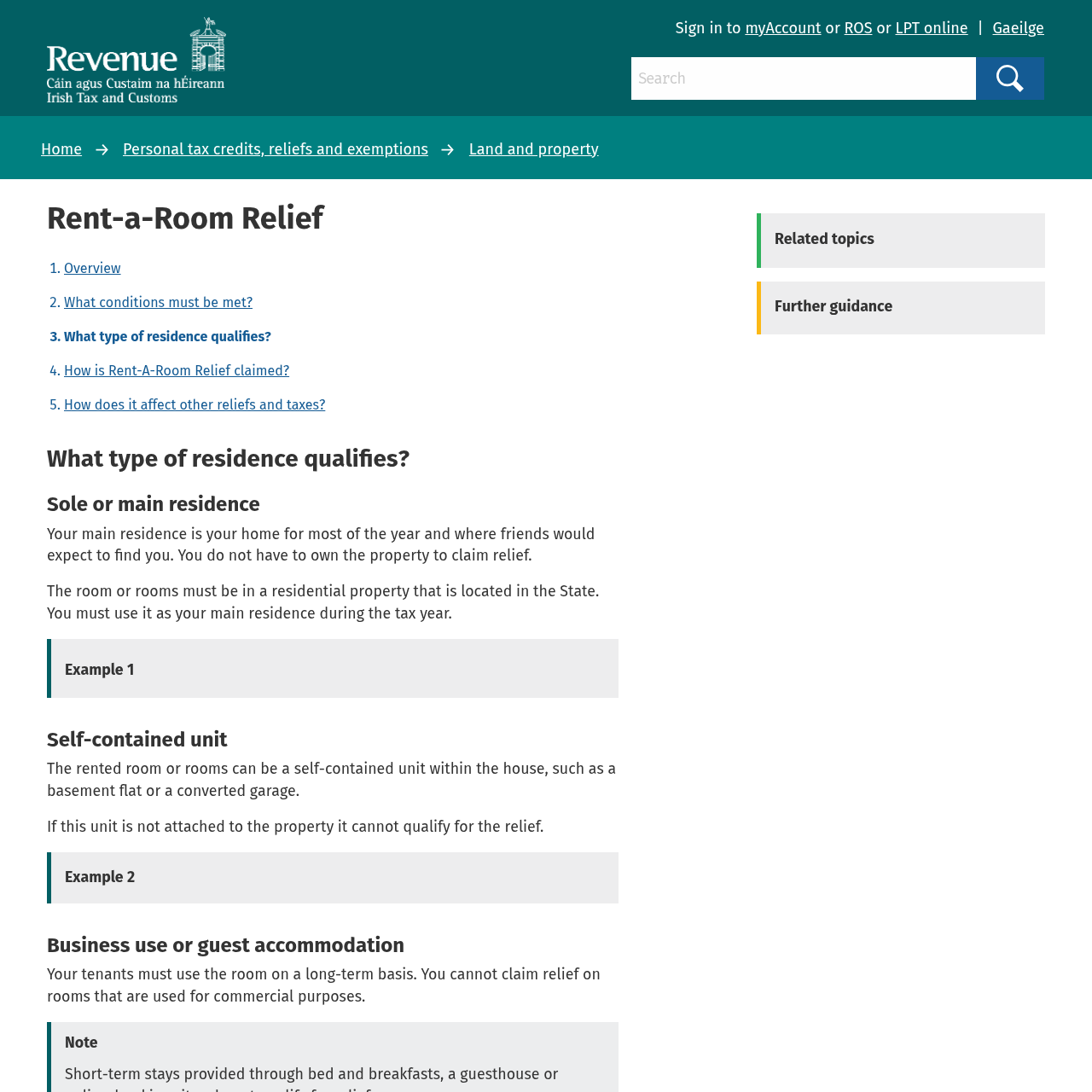
For rental income, be careful. Current Revenue guidance says a detached garage conversion in its example did not qualify for Rent-a-Room relief because it was not attached to the main residence. Do not assume a detached modular unit is tax-free.
Use the rental income and payback guide for cautious numbers, then get tax advice before relying on the income.
What to ask suppliers
Ask each modular-home supplier:
- Is the planning assumption written into the quote?
- Is this a residential unit or a garden-room product?
- What floor area is measured internally and externally?
- Are planning drawings, maps, and site layout included?
- Are foundations, services, drainage, and certification included?
- Who handles the local authority question if permission is needed?
- What happens to the deposit if the project cannot proceed?
The supplier comparison directory is useful for a neutral shortlist, but planning should be checked before you choose based on price.
County checks are not optional
National exemptions matter, but local facts still decide many projects. A compact garden unit in Dublin, Cork, Galway, Limerick, Kildare, or Wicklow may face different constraints from a rural site with more space but wastewater or access issues.
Use the modular homes by county hub for local starting points, then confirm with the relevant local authority or a planning adviser.
Bottom line
Modular homes planning permission in Ireland is improving for small auxiliary dwellings, but the safest approach is still evidence-first.
Define the size, use, services, access, and family or rental purpose before you request quotes. Then ask suppliers to price the project around the correct planning route, not around the most optimistic interpretation of the rules.